

Onions that predict the weather for the year to come
A forgotten divination to forecast the weather in Valnerina
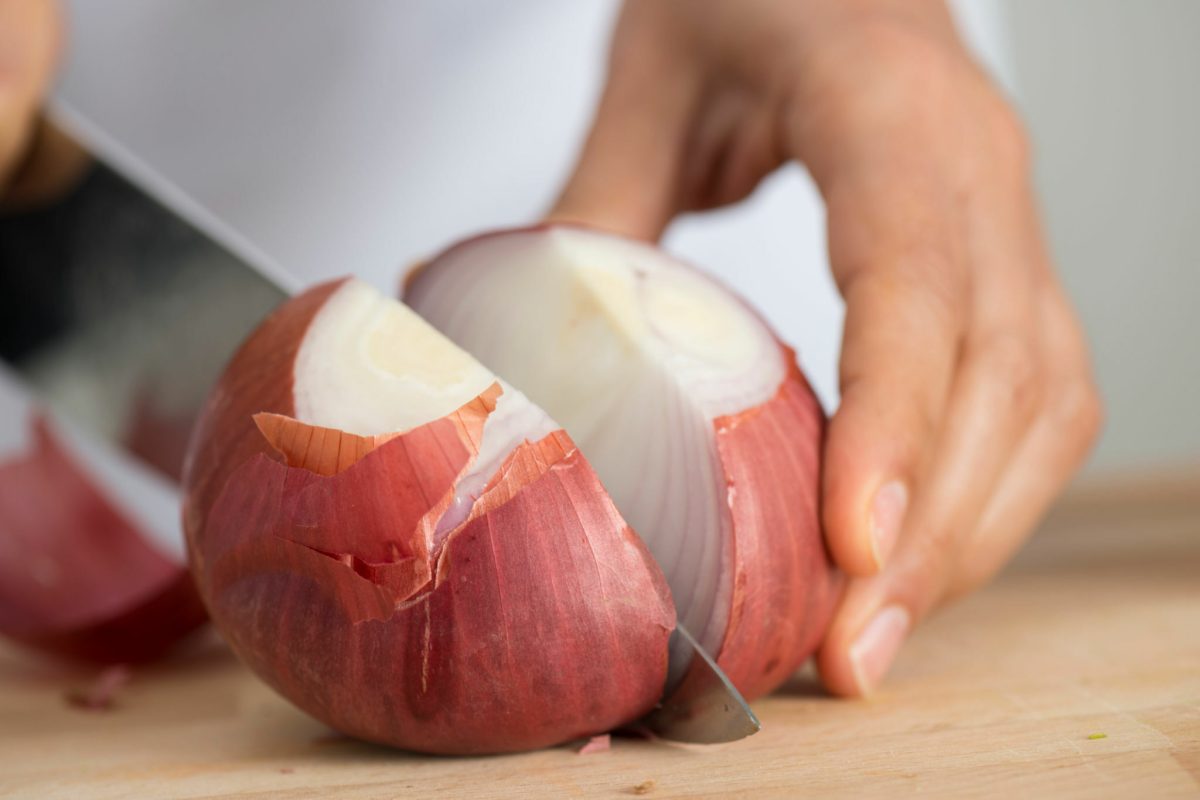
Each new year brings with it the story of a tradition widely practiced in the Valnerina countryside, linked to a unique and fascinating use of a vegetable that is easy to find in every household: the onion.
This humble vegetable, which is easily preserved during the winter months, is a staple in many traditional recipes, often rooted in peasant cuisine characterized, especially in earlier times, by simple and modest ingredients.
Onions are the protagonists of a curiosity long appreciated in the peasant world, but their significance lies not so much in cooking as in weather-forecasting: the divination of onions! The ritual took place on the first day of the year, with the onion being cut into 11 cloves, one for each month of the year. A grain of rock salt was then placed on each clove, serving as a tool to divine the weather for the months to come. The reason why the cloves were eleven and not twelve was no coincidence: the month of January could be predicted from the first day of the year.
After preparing the onion with its eleven cloves and as many grains of salt, this divinatory system was left outside overnight on a windowsill. In the morning, the state of the salt was examined: if the salt on an onion clove had completely or almost completely dissolved, it signaled rainy months; if, on the other hand, it had remained almost intact, it indicated months of drought.
In times past, when agriculture was often a family’s sole source of livelihood, this divination held great importance. The fate of the vegetable garden depended on the onion’s indications, influencing the success of strenuous farming efforts.
It was therefore essential to note down the onion’s response on the calendar, corresponding to each month, in order to plan the sowing and harvesting of the following seasons already at the beginning of the year.
Did you know about this curious and somewhat magical New Year’s tradition?